



Halloween is all about costumes, candy, and a little bit of chaos, but for neurodiverse kids—including those with Fetal Alcohol Spectrum Disorder (FASD)—it can feel more like a haunted house than a treat. From spooky sounds to scratchy costumes, there’s a lot happening, and it can be overwhelming. But don’t worry, parents and caregivers—we’ve got some tricks up our sleeves to help make Halloween a fun, safe, and sensory-friendly night for everyone!

1. Set the Scene with a Game Plan
For neurodiverse kiddos, Halloween surprises aren’t always a treat! A solid plan helps ease any jitters and makes them feel more in control.
• Chat About the Night Ahead: Talk through the plan—where you’ll go, what you’ll do, and when you’ll come home. Visuals can help too! Try drawing a little map or making a picture schedule.
• Count Down to Candy Time: Together, decide how many houses or how long you’ll be out. Knowing there’s a clear ending can make it easier for kids to dive in and enjoy.
• Check Out Decorations First: Some Halloween setups can be pretty intense (hello, fog machines and jump scares). It’s okay to scope out the neighborhood and steer clear of any extra-scary spots.
2. Comfortable Costumes are Key
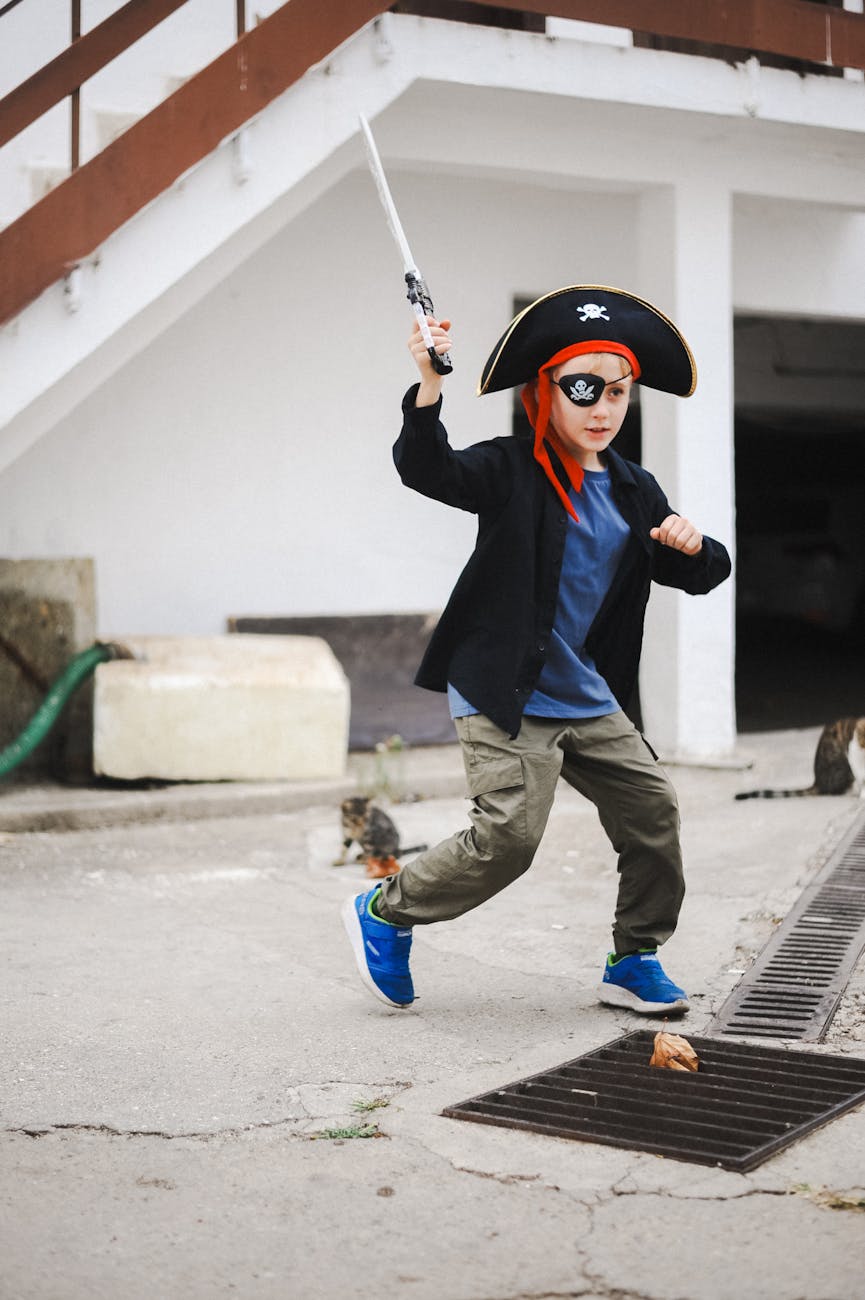
Not all superheroes wear capes, and not all Halloween heroes need big, elaborate costumes! When it comes to costumes, comfort is king.
• Choose Sensory-Friendly Materials: Stick with soft, non-itchy fabrics, and avoid anything too tight or stiff. Sometimes, a cozy costume hoodie can be just as magical as a full costume.
• Do a Costume Test Run: Have a mini Halloween dress-up day at home before the big night. If anything feels weird or scratchy, you’ve got time to tweak it!
• Get Creative with Favorite Themes: If your child is obsessed with dinosaurs, why not work a dino tail into their costume? Familiar favorites can make Halloween feel extra safe and exciting.
3. Practice the Trick-or-Treat Routine
Trick-or-treating is like a Halloween performance with its own set of “lines” and moves. A little practice can go a long way to make it easier and more fun.
• Do Some Role-Playing: Practice saying “trick or treat” and “thank you” at home. For kiddos who are nonverbal or shy, a friendly wave works just as well!
• Start with Friendly Stops: Trick-or-treating at familiar houses first can help ease them into the flow. This makes it a low-stress warm-up before heading to unknown homes.
• Prep for Social Moments: Halloween can have a lot of social cues. Let your child know it’s okay if they don’t want to chat or linger—just being there is enough!
4. Keep the Senses Happy
From the creepy sounds to flashy lights, Halloween can be sensory overload central. These tips can help dial down the intensity and keep things calm.
• Pack Noise-Canceling Headphones: Fireworks, loud Halloween music, and unexpected sounds can be tough. Bring along headphones or earplugs to soften the soundscape.
• Opt for Low-Key Trick-or-Treating: Try heading out a bit earlier when things are quieter, or find a less crowded area to keep the Halloween vibe manageable.
• Bring a Mini Comfort Kit: Pack some calming items like a favorite fidget toy or a small snack. If things get overwhelming, these tools can be lifesavers!
5. Create Your Own Halloween Adventure
Traditional Halloween isn’t for everyone, and that’s totally okay! Here are some at-home alternatives that still capture the Halloween magic.
• Host a Halloween Movie Marathon: Pop some popcorn, pick a couple of kid-friendly spooky movies, and settle in for a cozy night. Costumes optional but encouraged!
• Set Up an Indoor Candy Hunt: Hide candy around the house or backyard and let the kids search for their treats. It’s like trick-or-treating without leaving home.
• Throw a Mini Costume Party: Invite a few friends or family members for Halloween crafts, games, and low-key fun. A small, familiar group can make all the difference.

6. Candy Plan = Happy Tummies and Happy Kids
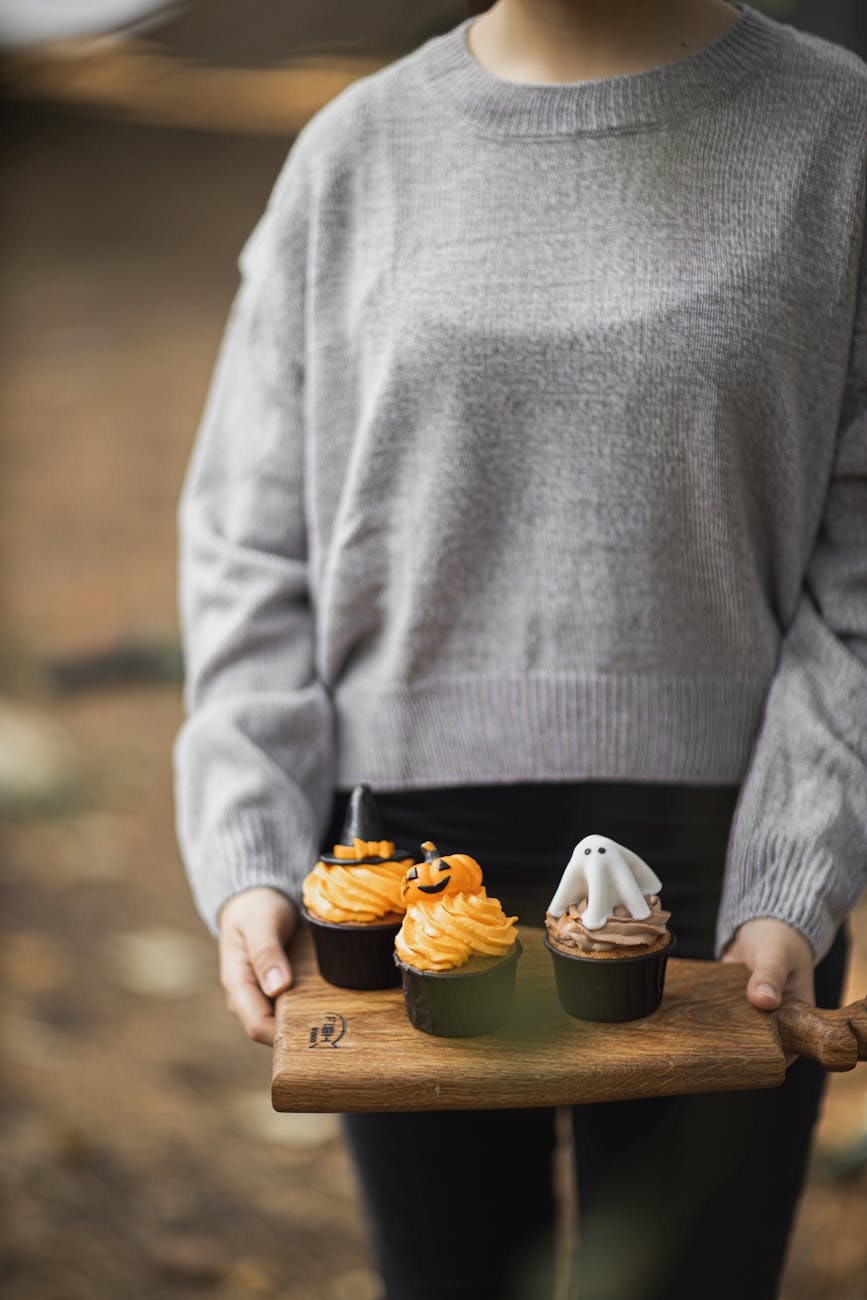
Let’s face it, Halloween is the ultimate sugar fest, but too much candy can lead to some post-trick-or-treat meltdowns. A plan can help keep things sweet without the sugar crash.
• Set a Treat Limit: Decide together how many pieces of candy they can enjoy each day after Halloween. It makes the treats last longer and avoids sugar overload.
• Trade-In for a Toy: Offer a “candy swap” where they can trade a portion of their stash for a small toy or a fun activity. This can take the focus off the candy and give them something new to look forward to.
• Balance with Healthier Treats: If you’re celebrating at home, mix in healthier options like fruit snacks or popcorn. It’s still a treat without the sugar rush!
7. Watch for the “Overload” Signals
Halloween is fun, but it’s also a long night with lots of stimulation. Keep an eye out for signs that your child might be reaching their limit.
• Take Regular Breaks: If they’re starting to feel overwhelmed, a quick break can work wonders. Find a bench to sit on or pop back to the car for a little quiet time.
• End on a High Note: Halloween doesn’t have to be an all-night affair. If things start to feel too much, it’s okay to head home early and end the night on a happy note.
8. Celebrate the Little Wins
Every Halloween moment is a chance to celebrate your child’s bravery and unique personality. Focus on the positives, big or small.
• Praise Small Successes: If they try on their costume, say “trick or treat,” or make it through a few houses, let them know how awesome they did. It’s all worth celebrating!
• End the Night with a Cozy Tradition: Wrap up Halloween with a comforting activity, like reading a favorite story, sharing a warm drink, or chatting about their favorite parts of the night.
Halloween can be a blast with a bit of planning, flexibility, and lots of love. By keeping things calm, comfy, and focused on your child’s strengths, you’re sure to create a Halloween that’s full of treats, not tricks. Here’s to a Halloween night that’s as unique and awesome as they are!